EPONA | Equine Regenerative Solutions by Vitti Labs

EPONA | Equine Regenerative Solutions by Vitti Labs
Every stride places changing demands on the equine joint. StrideGUARD™ is designed as a cohesive, viscoelastic matrix that cushions, distributes, and responds to applied force.
During every stride, the joint must accommodate changing combinations of compression, shear, rotation, and impact. Those forces become more demanding with speed, collection, turning, uneven footing, fatigue, and repetitive work.
StrideGUARD™ contains an interconnected collagen network supporting a glycosaminoglycan-rich matrix. This cross-braced architecture is designed to resist rapid displacement and maintain structural continuity as force is applied.
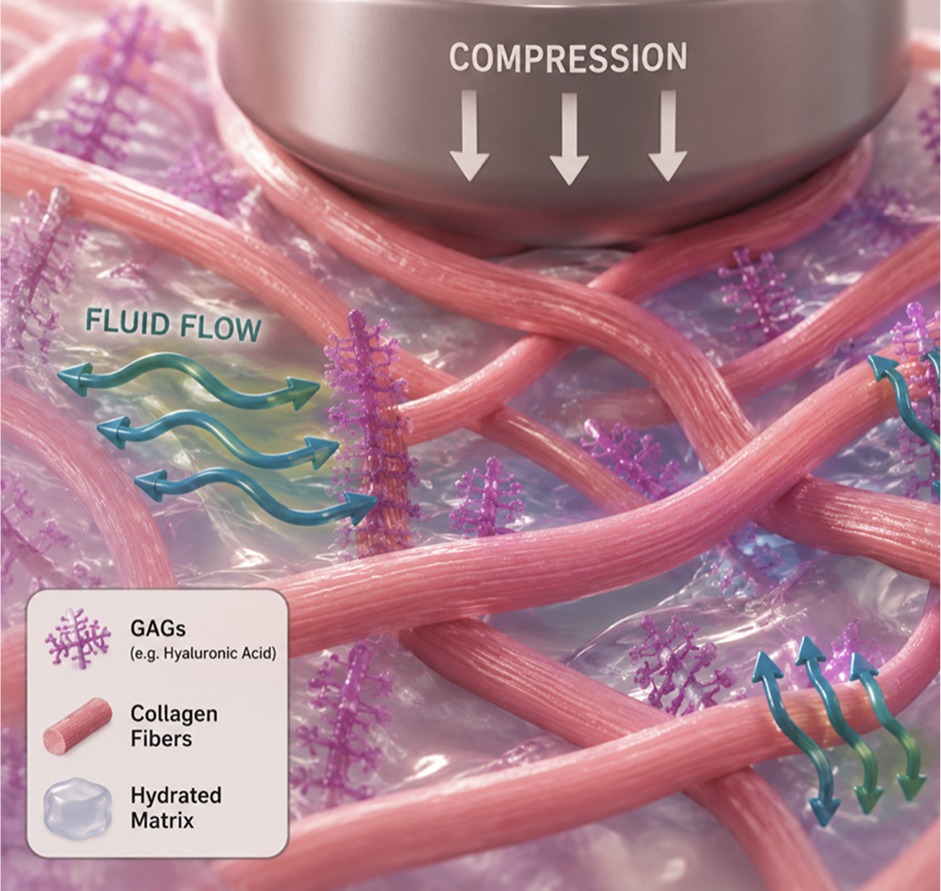
StrideGUARD™ contains an interconnected collagen network supporting a glycosaminoglycan-rich matrix. This cross-braced architecture is designed to resist rapid displacement and maintain structural continuity as force is applied.
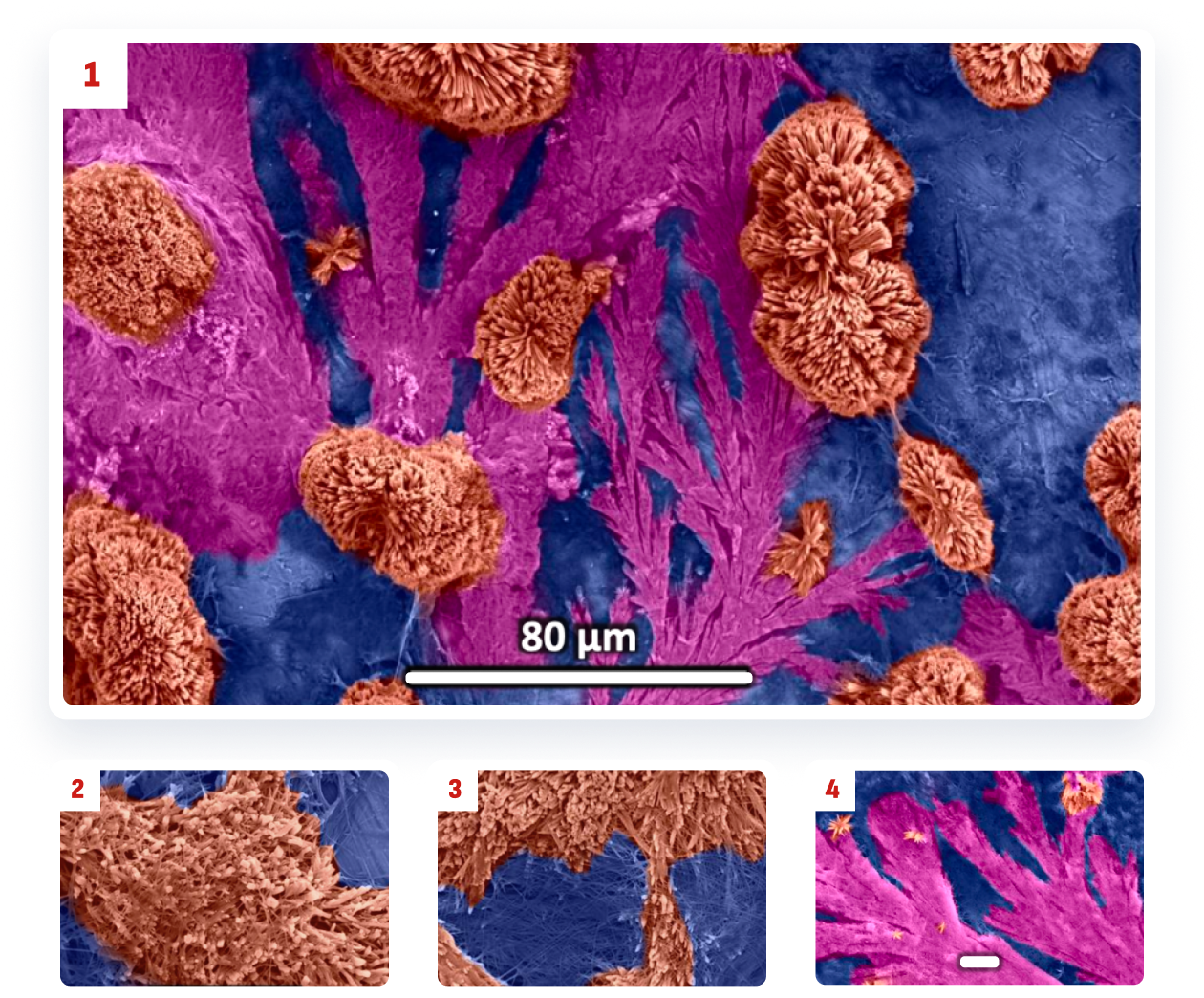
This architecture helps explain how StrideGUARD™ remains cohesive and distributes applied force through its structure.
StrideGUARD™ preserves the two primary structural components of native Wharton’s jelly: an interconnected collagen fiber network and a hydrated, glycosaminoglycan-rich ground substance.
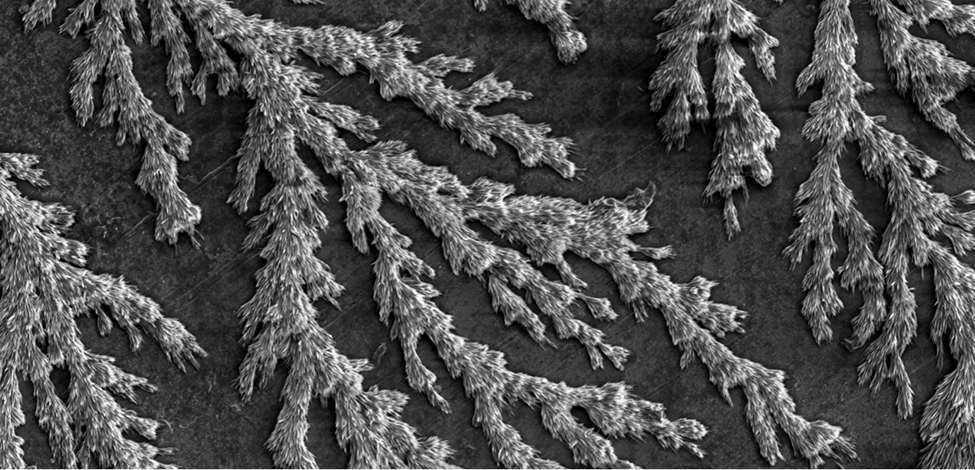
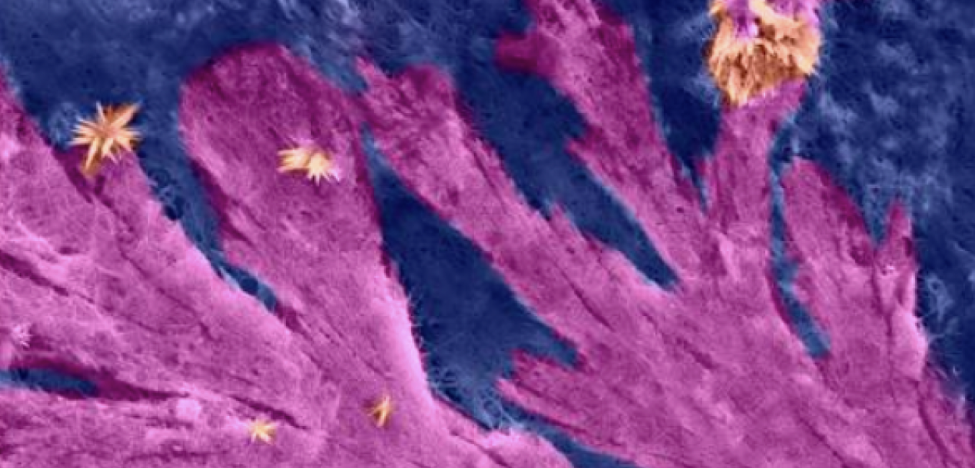
Glycosaminoglycans contribute to the hydrated behavior of StrideGUARD™ and its ability to deform and respond under compression.
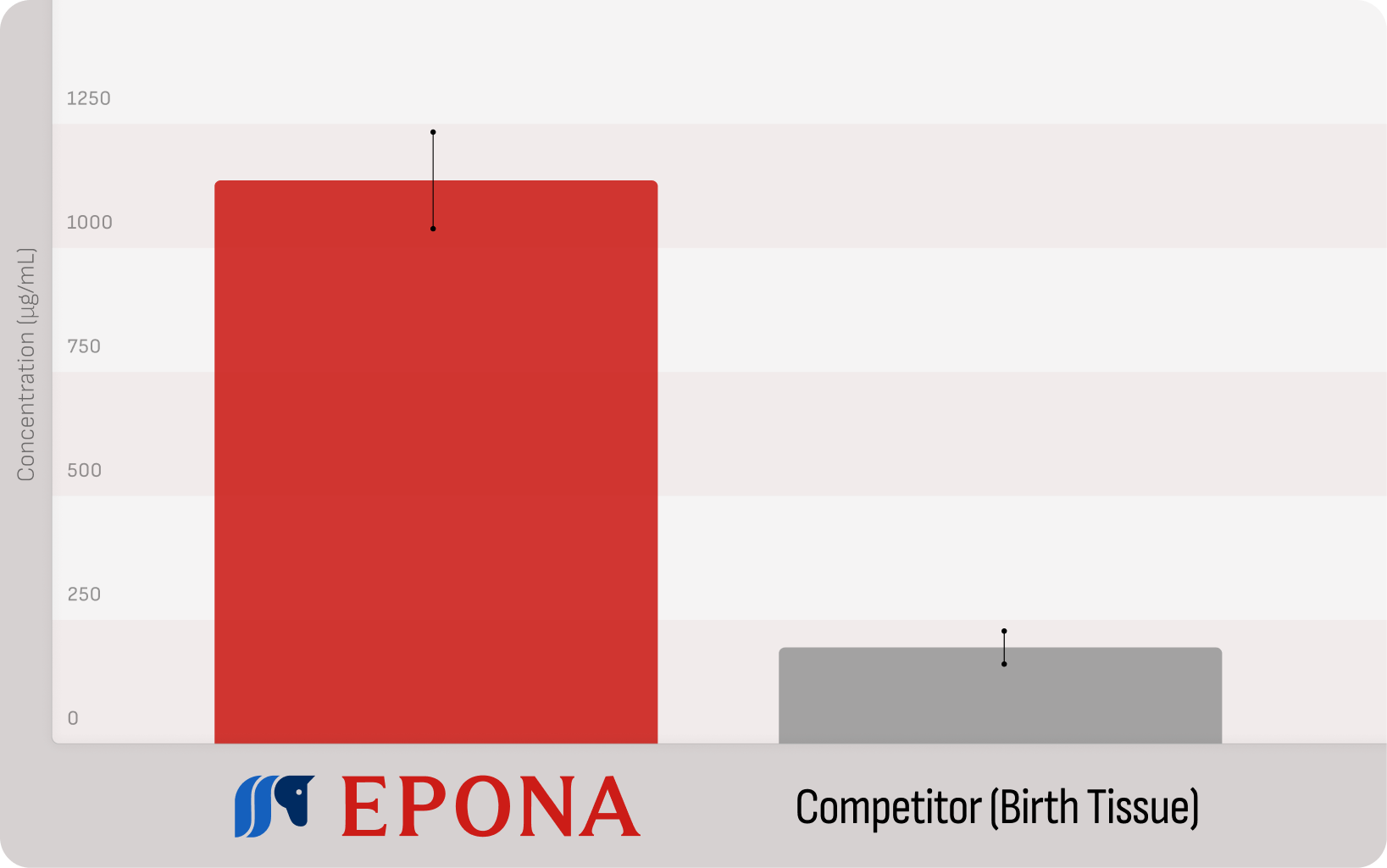
Hydration contributes to cushioning, compression response, and recovery as loading conditions change. GAGs bind water, helping the matrix retain its volume and integrity under loads.
Rheological testing characterizes how the StrideGUARD™ matrix responds across a range of shear rates and following high-shear stress.
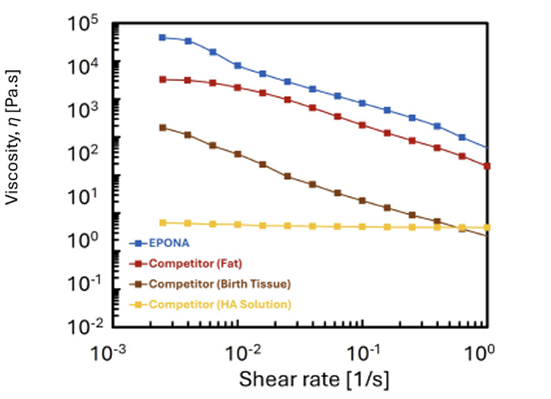
Tested: Viscosity across a range of shear rates.
Result: StrideGUARD™ changed its flow behavior as increasing shear was applied.
Why it matters: The matrix adapts to provide realtime support as the horse moves rather than behaving like a rigid material.
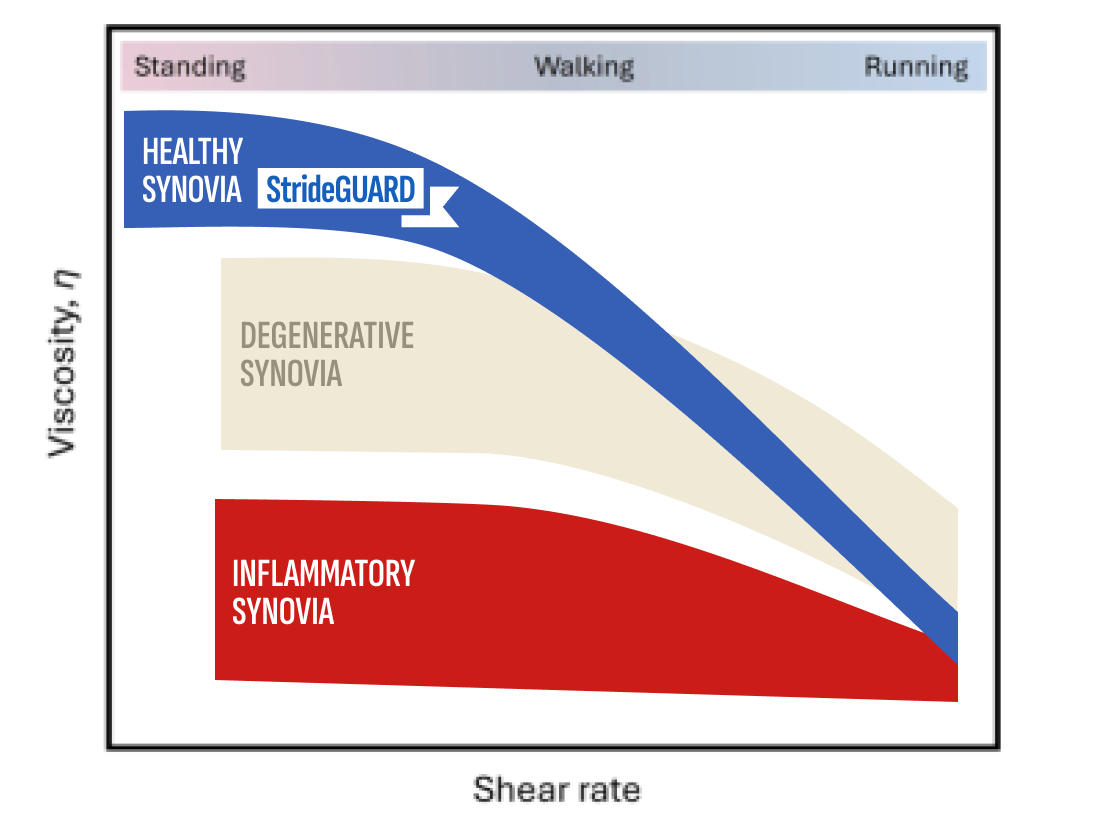
Tested: Shear-thinning profile against synovial reference ranges.
Result: The profile is characteristic of native Wharton’s jelly-derived extracellular matrix.
Why it matters: The structure resists rapid separation or displacement while still moving with the joint.
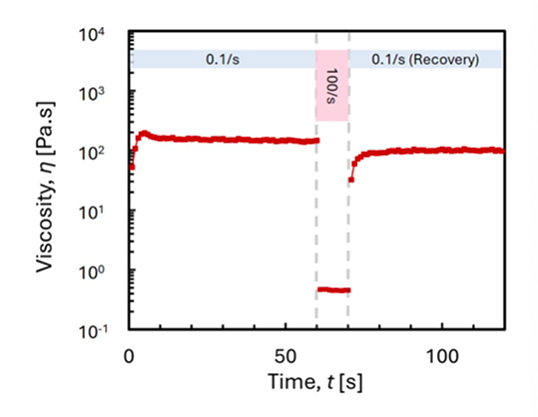
StrideGUARD demonstrates the ability to rapidly respond from elastic support (joint and tissue lubrication) to visco support (cushioning) in less than 30 seconds even after intense activity such as abrupt start-stop motion, high-speed movement, and heavy loading in athletic performance.
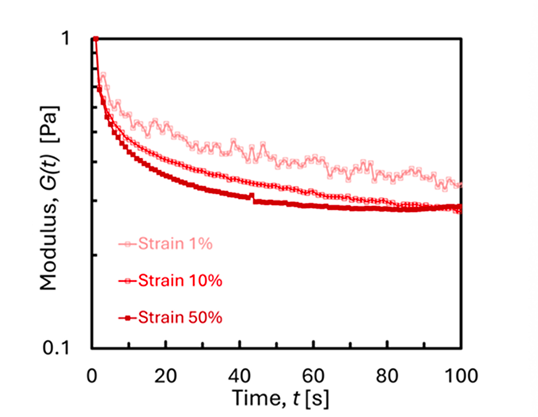
StrideGUARD demonstrates the ability to gradually dissipate mechanical stress over time after being compressed or loaded.
This means the material can absorb and redistribute pressure instead of concentrating forces at a single point. During repetitive motion or prolonged loading, this stress-relaxing behavior helps reduce peak mechanical strain on surrounding tissues while maintaining cushioning.
StrideGUARD™ was developed around the physical demands placed on the equine musculoskeletal system. Its collagen-supported, glycosaminoglycan- rich matrix is designed to remain cohesive, respond under applied force, and provide structural cushioning within the treatment area.
Let us know how EPONA can help care for your horses.
